

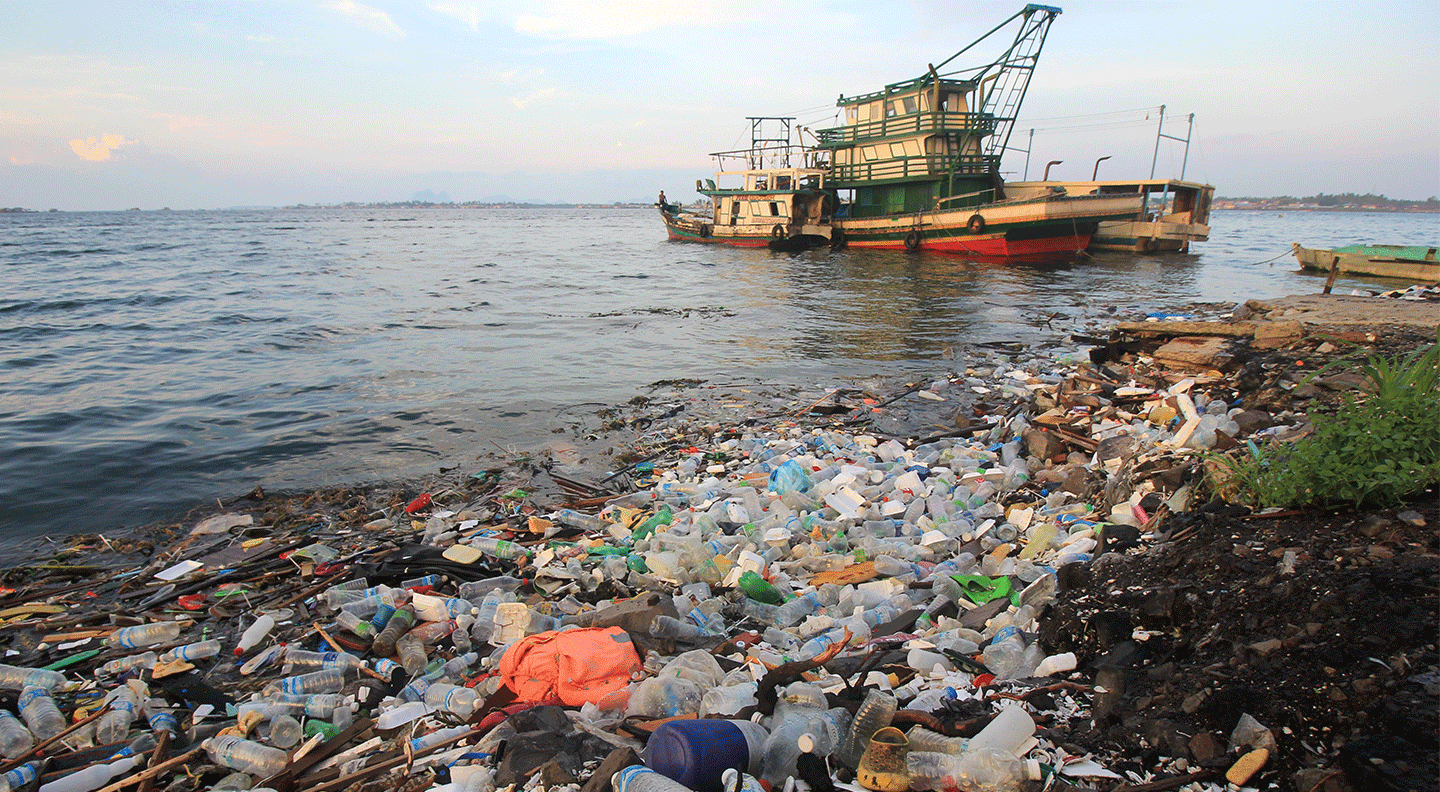
For decades, Earth has been facing an escalating crisis of plastic pollution. Not only on land, but across the world’s seas and oceans, millions of tons of plastic waste now drift endlessly with the currents. Despite long-standing efforts to clean up this pollution through various methods, meaningful success has remained frustratingly limited.

Plastic pellets, also known as nurdles, are tiny particles measuring just 2 to 5 millimeters in diameter. They serve as the raw material used to manufacture a wide range of plastic products. The problem lies in their physical nature. These pellets are extremely lightweight and slippery, making them easy to spill during storage, handling, or transport by ship. Once they enter the water, recovery becomes nearly impossible. They blend seamlessly with sand, algae, and sediments, allowing them to persist and travel through ocean currents for years.
Marine life suffers the most severe consequences from these plastic pellets. Fish, turtles, and especially seabirds often mistake them for food and ingest them. According to Jennifer Lavers, the volume of plastic pellets currently entering the oceans is sufficient to become “food” for millions of young seabirds. In some regions, scientists have found plastic inside the bodies of nearly 100 percent of animals examined. These pellets block digestive systems, leading to malnutrition and ultimately death. Beyond their physical presence, plastic pellets also act as carriers of toxic chemicals. Research shows that they absorb harmful pollutants from seawater. When smaller organisms ingest these contaminated pellets, toxins move up the food chain, eventually reaching larger predators and disrupting entire ecosystems.
A devastating example occurred in 2021, when the cargo ship X-Press Pearl caught fire and sank off the coast of Sri Lanka. The disaster released enormous quantities of chemicals and plastic pellets into the ocean, causing environmental damage estimated at around $6.4 billion. Hemanta Withanage, chairman of the Center for Environmental Justice, stated that the impact in Sri Lanka was both immediate and long-lasting. He emphasized that there is no longer any room to argue that plastic pellets are harmless.
Although international conventions prohibit the intentional dumping of plastic into the sea, accidental spills of plastic pellets are not governed by sufficiently strict regulations. As a result, researchers are calling for plastic pellets to be assigned a specific UN classification number. This would ensure strict packaging, labeling, and transport protocols. Environmental scientist Therese Karlsson notes that thousands of chemicals are used in plastic production, many of which pose serious risks to both environmental and human health.
Protecting the oceans from this invisible but pervasive threat requires urgent global action. Stronger laws, stricter transport regulations, and greater accountability are essential if humanity hopes to prevent plastic pellets from continuing their silent invasion of the world’s oceans.
Source: The Earth