

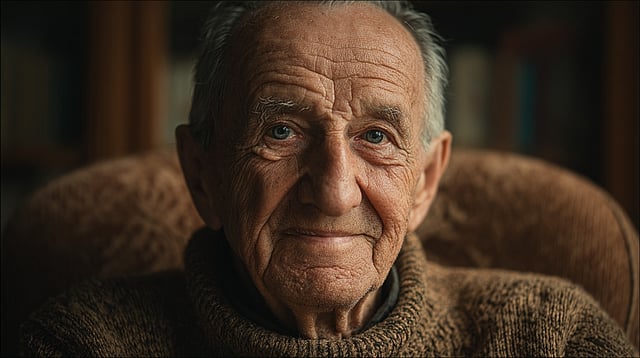
As people grow older, noticeable changes occur in the human body. Physical growth continues for a certain period, but eventually the pace of development slows down. At one stage, people begin to say, “I am getting old.” This is a natural part of life. However, the structure and aging process of the brain are somewhat different from the rest of the body. Although the brain also ages with time, its transformation follows a more complex pattern.
Advertisement
In many cases, while physical height or strength may stop increasing with age, a person’s intelligence, judgment, and wisdom continue to develop. Scientists have carried out extensive research on this subject. Harvard neurologist Leah H. Somerville discussed this issue in an article published in the journal Neuron. She explained that the human brain reaches its full size by around the age of ten.
Advertisement
However, the neurons that form the brain continue to change and reorganize long afterward. According to a report published by The New York Times on December 21, 2016, new connections between different parts of the brain are constantly formed, while some older connections between neighboring neurons are trimmed away. Over time, the speed of this reshaping process gradually slows down, which is considered a sign of brain maturity.
Advertisement
The changes occurring in different regions of the brain do not happen at the same rate. MRI scans of the frontal lobe have shown that the brain’s reorganization process slows as people age. Nevertheless, even in a person’s thirties, new neural connections continue to form in the frontal lobe.
Advertisement
Recent studies have also revealed that regular exercise can stimulate the creation of new neural connections, even in old age. As people grow older, the type of exercise they perform should also change. Health experts generally recommend lighter forms of exercise for older adults, as these activities help maintain both physical well-being and cognitive health.