
Forty years after the Chernobyl disaster, the safety of Chernobyl hangs in the balance, though not because of radiation risk. Tell someone you are visiting New York for work and they will be jealous, mention a summit in Paris and they turn green with envy, but say you are heading to Chernobyl to cover the anniversary of the world’s worst nuclear disaster and the reaction shifts entirely.
Some will warn earnestly about cancer risk, others will insist radiation poisoning is unavoidable, all drawing from sensational headlines, dramatic films and exaggerated documentaries, which is why researchers sought access to the exclusion zone to uncover the facts.
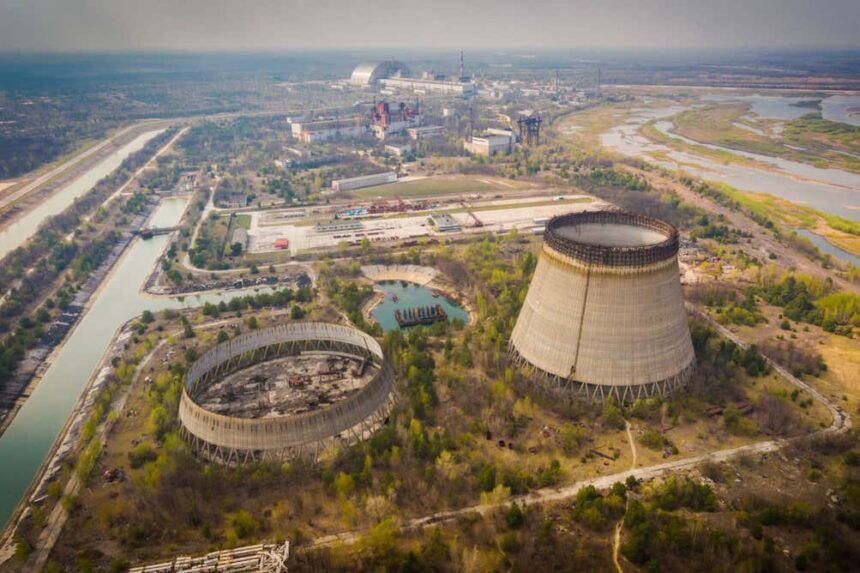
Has contamination faded or worsened is nature mutated and dying or quietly thriving, will the area ever be repopulated. Could Russian invasion of Ukraine trigger further radiation risks? Four decades on there is much to explore, from engineering efforts that contain radiation to environmental transformations as cooling ponds drain into forests, alongside growing populations of rare wildlife such as wolves and moose. Yet the story is complicated by war, including Russian occupation, widespread damage and later recapture and militarisation by Ukrainian forces.
The idea of Chernobyl as a lifeless contaminated wasteland is far from accurate, instead it reveals a complex history where nature rebounds, contamination remains largely controlled and the exclusion zone stands as a haunting yet striking landscape. Today the region is a highly restricted military area along Ukraine’s border, its future uncertain as ongoing conflict makes management difficult and scientific research increasingly challenging, with drone attacks threatening clean-up efforts, meaning the greatest danger to Chernobyl’s safety may no longer be radiation, which can be monitored and managed with sufficient resources, but the continuing threat posed by Russia.
Source: newscientist.com