

There are thousands of foods in the market that promise good health. But among this crowd, choosing the most nutrient-dense options can be quite challenging. Recently, researchers analyzed more than a thousand foods and created a list of some of the best foods for our body. While we often focus on fish, meat, and carbohydrates, we tend to overlook certain small yet powerful ingredients. Ironically, these neglected foods may hold the key to a longer, healthier life. Let’s explore five food components that should definitely be part of your daily diet.
 Getty Images
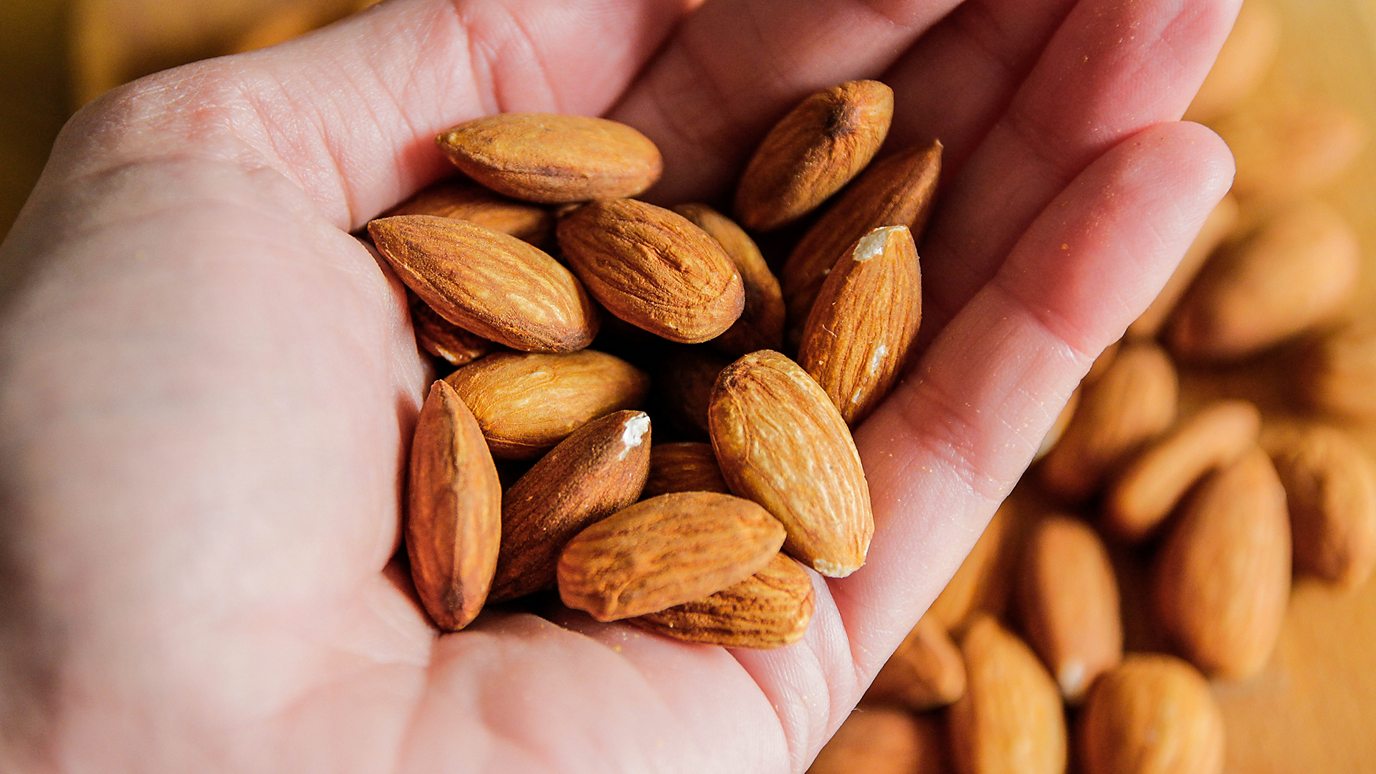
1. Almonds
Almonds do more than sharpen your brain; they are also highly effective at reducing the risk of diabetes and heart disease. In one study, scientists observed 77 adults over a period of 12 weeks. Each participant was given almonds equivalent to 320 calories per day. All participants had risk factors for chronic heart conditions, such as type-2 diabetes or high blood pressure.
After 12 weeks, researchers found that those who consumed almonds regularly had significantly lower levels of bad cholesterol (LDL). Not only that, almond consumption improved gut health and reduced internal inflammation. Almonds contain butyrate, which provides energy to the cells lining the colon. These cells play an essential role in supporting beneficial gut bacteria and strengthening the intestinal barrier. Therefore, making a habit of eating a handful of almonds daily is highly beneficial.
2. Beet Greens
We often eat beetroot but throw away its leaves. However, these leaves are rich in calcium, iron, vitamin K, and B-group vitamins. Laboratory studies have even shown that beet leaf extracts may slow the growth of cancer cells. So next time you buy beetroot, save the leaves and use them in stir-fries or soups.
3. Chia Seeds
Though tiny and black, chia seeds are a powerhouse of nutrition. They are packed with fiber, protein, alpha-linolenic acid, and phenolic compounds. They are especially rich in B vitamins. The phytochemicals in chia seeds help protect the heart and liver, while omega-3 fatty acids strengthen the immune system.
Research shows that regular consumption of chia seeds can reduce the risk of heart disease, help control blood pressure, and improve cholesterol levels. They may also lower the risk of type-2 diabetes and certain cancers. Interestingly, if you swallow chia seeds whole, they may pass through your digestive system without releasing their full nutritional value. Experts recommend grinding or soaking them to ensure proper nutrient absorption. The same applies to flaxseeds.
4. Pumpkin Seeds
Many people discard pumpkin seeds after eating the flesh. Yet these seeds are rich in nutrients. They contain linoleic acid, oleic acid, and palmitic acid, which help reduce the risk of heart disease. A 2025 study found that pumpkin seeds may also help reduce anxiety and improve memory.
Here’s a useful tip: lightly roasting pumpkin seeds makes them more nutritious than eating them raw. Heat breaks down their cell walls, allowing the body to absorb nutrients more easily.
5. Swiss Chard
Swiss chard, now available in many supermarkets, is an excellent source of nitrates. It improves blood circulation and helps lower blood pressure. The antioxidants in this leafy green also protect the nervous system from age-related damage. However, avoid overcooking it, as excessive heat can destroy its nutrients. Maintaining good health depends more on choosing the right foods than relying on expensive medicines. Small additions like beet greens or pumpkin seeds can bring powerful, life-changing benefits to your body.