

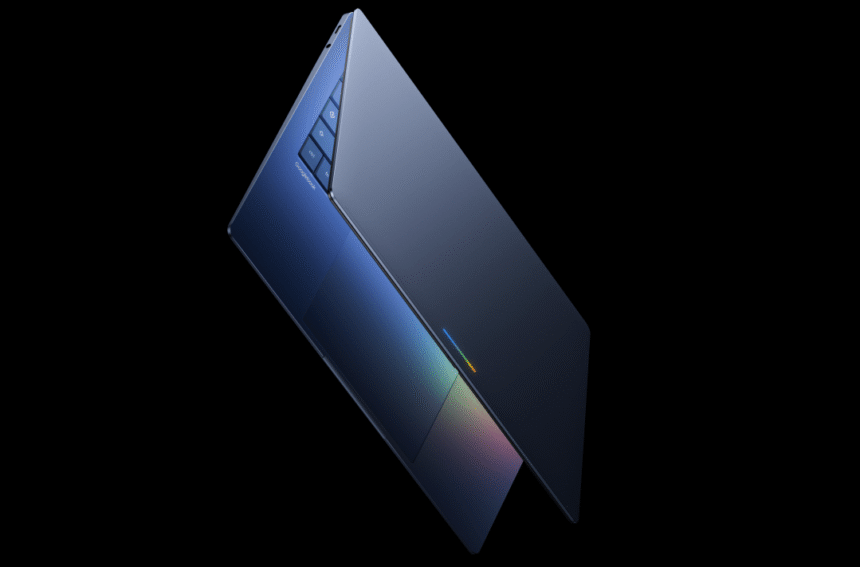
Google has officially teased a brand-new line of laptops called Googlebooks, set to launch this fall. Although details remain limited, the announcement appeared during the company’s Android Show event and signals a major shift in Google’s laptop strategy. The initiative appears aimed at replacing Chromebooks with a more powerful and versatile platform built around a long-rumored operating system that combines elements of Android and ChromeOS.
Ads
According to multiple leaks, the operating system had been internally referred to as “Aluminium OS.” However, Google clarified that Aluminium is only a codename and not the official branding. Peter Du from Google’s global communications team confirmed that the company will reveal the final operating system name later this year.
Ads
At the moment, Google has revealed only a few early renders of the mysterious Googlebook device. The laptop design looks fairly standard overall, though one standout feature is a glowing Google-colored light bar on the back, reminiscent of the lighting strip first introduced on the Chromebook Pixel in 2013.What is currently known is that Googlebooks will run on the Android technology stack while also supporting the Chrome browser and Android applications. One of the most notable features is the ability to directly access files and apps from an Android phone without needing to switch devices. Google is also heavily integrating its Gemini AI system throughout the experience, even embedding AI functions into the cursor itself.
Ads
A new feature called “Magic Pointer” will provide contextual AI suggestions whenever users shake the cursor and point at content on the screen. Google demonstrated examples such as scheduling meetings directly from email dates and visualizing furniture layouts by selecting room images and furniture photos together. Googlebooks will also support AI-generated custom widgets, similar to those debuting for Android smartphones and Wear OS smartwatches. These widgets could organize travel plans, hotel bookings, restaurant reservations, or even create countdown timers for family events.
Ads
Google also showcased features like running Android apps directly from a connected smartphone through “Cast My Apps” and instantly pulling files from Android devices. Despite these demonstrations, many critical details remain unknown, including the hardware specifications, processor choices, battery performance, pricing, and exact release dates.
Ads
Google confirmed it is partnering with companies such as Acer, ASUS, Dell, HP, and Lenovo to develop the first Googlebook models. However, no model names, technical specifications, or pricing details have been revealed so far. It is also unclear whether the rendered Googlebook shown by Google represents an actual product, a future Pixel-style first-party laptop, or simply a conceptual mockup.
Ads
The introduction of Googlebooks naturally raises questions about the future of Chromebooks and ChromeOS. From the limited previews shown, the new operating system appears visually similar to ChromeOS, leading many to speculate that Googlebooks may eventually replace Chromebooks entirely. However, Google has stated that Chromebooks will continue to launch after Googlebooks arrive and that existing Chromebook devices will keep receiving support according to their promised update timelines.
Ads
Currently, Chromebooks released in 2021 or later are guaranteed 10 years of automatic security updates. Still, uncertainty remains about how much focus Google will continue to place on ChromeOS once Googlebooks officially enter the market.
Ads
For now, the company is keeping most details under wraps, leaving tech enthusiasts waiting either for a full product launch or the inevitable leaks that often surface ahead of major Google announcements.